
Look, most people have no idea how the Department actually assesses their relationship for a partner visa. They assume it is obvious. Two people in love, some photos, a few documents. Done.
That is not how it works. And that gap between what people think happens and what actually happens is why so many applications run into trouble.
What the Law Actually Requires
Section 5F of the Migration Act and Regulation 1.15A set out the legal test. Decision makers need to be satisfied of four things:
• Your relationship is a genuine marriage or de facto relationship recognised under migration law
• You have a mutual commitment to a shared life, to the exclusion of all others
• Your relationship is genuine and continuing
• You are not living separately and apart on a permanent basis
Each of these gets assessed separately. Officers cannot blur them together, even though they overlap. You need to address each one with evidence. Miss one, and you have a problem.
The Four Factors They Actually Examine
Under Regulation 1.15A(3), officers must consider four specific factors. This is where your evidence either proves your case or leaves it open to doubt.
Factor 1: Financial Aspects
How do you and your partner manage money? Do you have joint accounts? Shared expenses? Joint ownership of property or assets? Do you support each other financially?
Evidence that works: bank statements showing joint accounts or regular transfers between you, property titles in both names, loan documents, bills addressed to both of you, evidence of financial support during tough times.
Factor 2: Nature of the Household
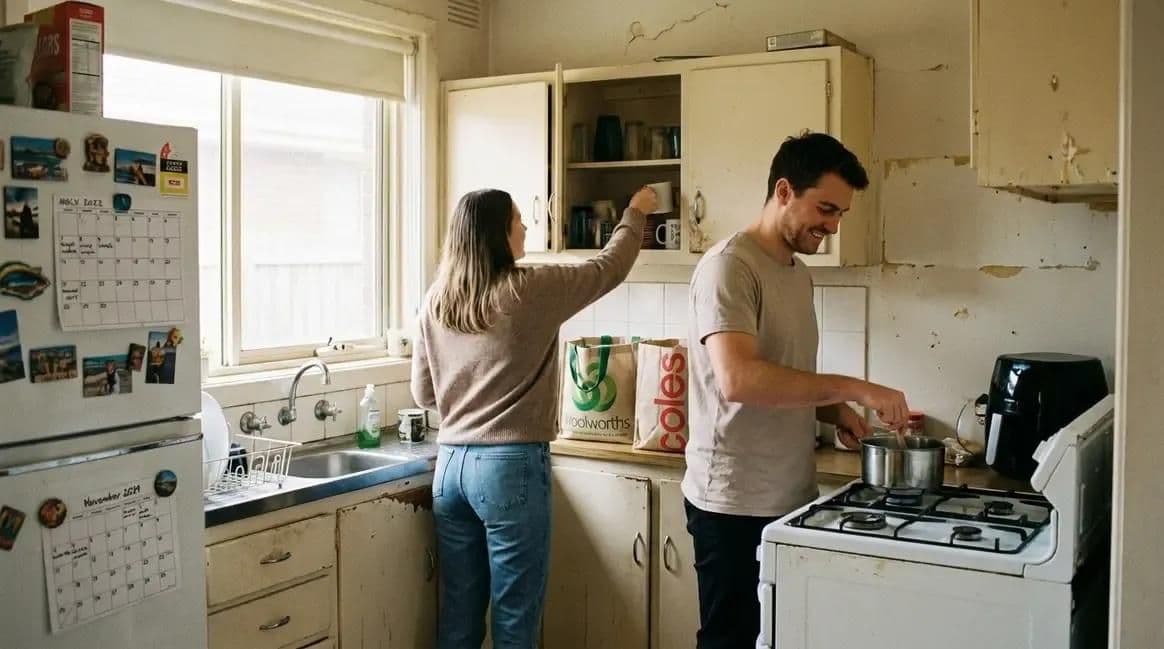
Do you live together? How do you divide household responsibilities? Who cooks? Who cleans? Who manages what?
Evidence that works: lease agreements with both names, utility bills, statutory declarations from people who have visited your home, photos showing your shared living space.
Factor 3: Social Aspects
Does the world see you as a couple? Do your families know about your relationship? Your friends? Your colleagues? Your community?
Evidence that works: photos together at family events and social occasions, travel records, wedding invitations addressed to both of you, statutory declarations from people who know you as a couple.
Factor 4: Commitment to Each Other
How long have you been together? What are your future plans? Do you know each other's circumstances, families, histories? Have you made long term decisions together?
Evidence that works: your relationship statements showing detailed knowledge of each other, evidence of shared plans like property purchases or travel bookings, wills naming each other, discussions about children or future goals.
How Officers Actually Make Decisions
Here is what most people get wrong. They think it is a checklist. Tick enough boxes, get the visa.
It does not work that way.
Officers do not count how many factors you satisfy. They look at the whole picture. A weakness in one area can be offset by strength in another. What matters is whether, on balance, the relationship looks genuine.
I have seen couples with limited financial evidence get approved because their social evidence was overwhelming. Friends, family, community all backing them up. I have also seen couples with joint mortgages and shared bank accounts get refused because their statements contradicted each other on basic facts.
The overall picture matters. Not individual checkboxes.
Why Your Submissions Matter More Than You Think
Filling out the form and attaching documents is not enough. If there are weaknesses in your case, you need to address them directly. Explain the circumstances. Reference case law if it supports your situation. Present your evidence strategically, not randomly.
Case officers assess hundreds of applications. A well-organised submission that directly addresses the legal requirements makes their job easier. And when their job is easier, your outcome improves.
A disorganised application with documents dumped in no particular order? That makes officers work harder to find reasons to approve you. Some will not bother looking that hard.
Do Not Leave Your Relationship to Chance
Partner visa applications are not simple. The evidence requirements are specific. The legal test is technical. And mistakes can mean refusal, delays, or years of separation while you sort out the mess.
If you want to know whether your evidence is strong enough, or if you have weaknesses that need addressing before they become problems, book a consultation. Let us look at your case before you lodge. Not after you get a refusal.
This article provides general information only and does not constitute legal advice. For advice on your specific circumstances, book a consultation.