
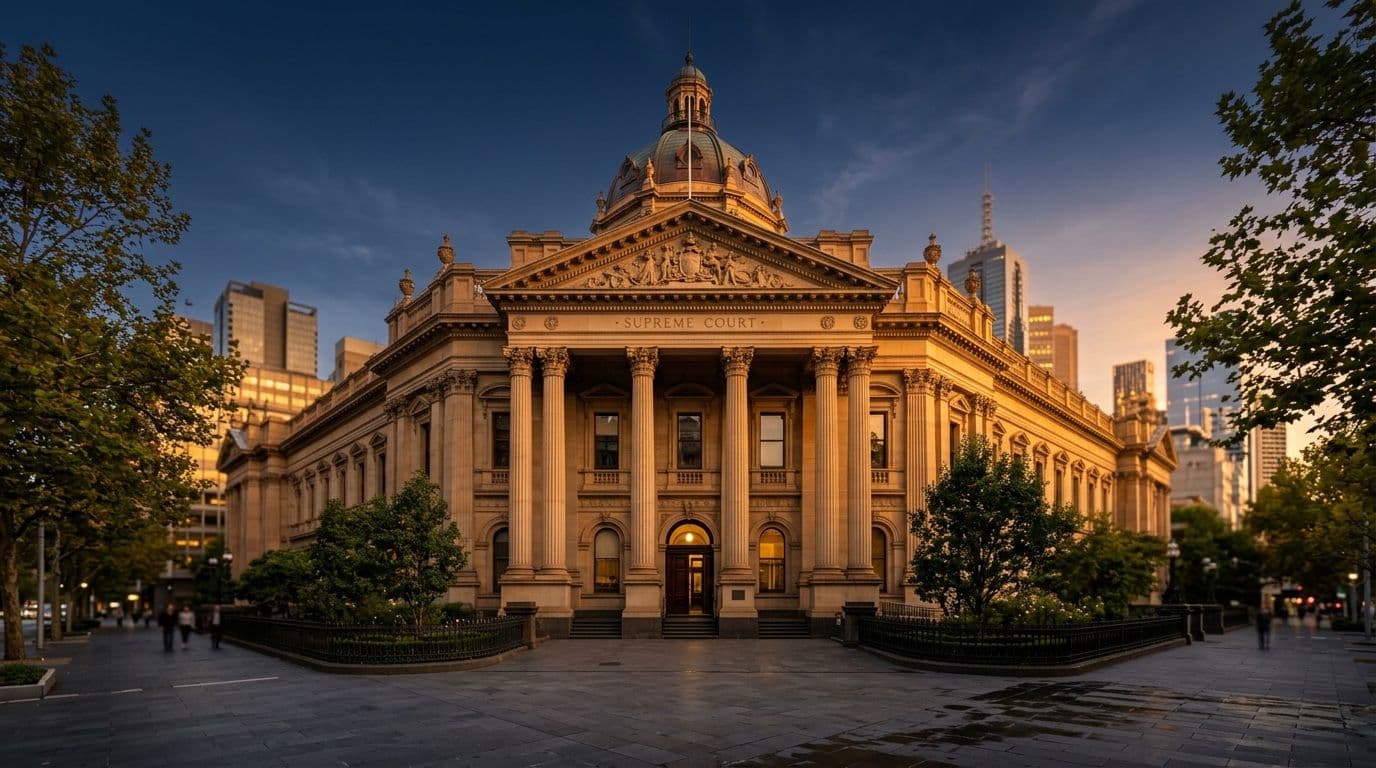
Here is the uncomfortable truth: natural justice is meant to guarantee you a fair hearing before the Government decides your visa, yet in migration matters that promise is being squeezed thinner every year. Natural justice, also called procedural fairness, means a decision that affects your rights must be made fairly and by an impartial decision-maker. The law says you get a fair go. The system does not always deliver one.
At Katsaros & Associates, our immigration lawyers in Melbourne fight these cases every week, and we see the gap between what the courts demand and what applicants actually experience. If your visa has been refused or cancelled and you were never given a real chance to respond, that gap is your strongest weapon. Here is how natural justice works, where it is failing, and what you can do about it.
What is natural justice, and when does it apply to your visa?
Natural justice rests on two rules. The hearing rule says a decision-maker must give you a fair opportunity to be heard before deciding. That means proper notice of the decision being considered, and disclosure of any adverse information that is credible, relevant, and significant. The bias rule says the decision-maker must stay impartial, free of both actual bias and apprehended bias, where a fair-minded observer might reasonably suspect the decision-maker was not impartial.
The High Court set the threshold in Kioa v West (1985). It confirmed that natural justice applies to any administrative decision that affects a person’s rights, interests, or legitimate expectations in an immediate way. A visa cancellation is exactly that kind of decision. So is a refusal. This is not a technicality. It is the floor beneath every decision the Department of Home Affairs makes about your future.
In day-to-day practice, you usually meet the hearing rule in the form of a Section 57 natural justice letter, the Department’s formal invitation to answer adverse information before it refuses you. Treat that letter as the most important document in your file, because it often is.
Why migration law is being treated as a special case
Here is what should worry you. Migration law is drifting toward what scholars call migration exceptionalism: the idea that migration decisions can be held to a lower procedural standard than the rest of administrative law. Codified, narrowed, and stripped of common law protection. The courts keep reinforcing your right to be heard. The legislation keeps finding ways to compress it. That tension is the whole story of natural justice in Australian migration today.
Three cases that show the gap between the rule and the reality
Written notice matters: SAAP v MIAC
In SAAP v MIAC (2005), the High Court held that the Refugee Review Tribunal committed a jurisdictional error by failing to give written notice of adverse information it had obtained during a hearing. Oral disclosure was not enough. The law required the particulars in writing. Yet today the Department leans heavily on long, complex written requests in English, which is a serious barrier for applicants with limited English or those who have experienced trauma. The protection exists. Actually accessing it is another matter.
No surprises: SZBEL v MIAC
In SZBEL v MIAC (2006), the High Court found the Tribunal denied procedural fairness because it never told the applicant it was focusing on issues different from the ones that had decided the original departmental decision. You cannot defend a case you do not know you are fighting. A decision-maker who quietly shifts the goalposts breaches the hearing rule.
Capacity matters: BIF23 (2024)
In a landmark 2024 ruling, BIF23 v Minister for Immigration, Citizenship and Multicultural Affairs, the High Court found that a notice of visa cancellation was invalid because the recipient lacked the legal capacity, due to disability and mental illness while in prison, to understand or respond to it. Five justices found unanimously in his favour on 4 December 2024, quashing the notice under section 501CA of the Migration Act 1958 and ordering it be reissued to his guardian so a proper decision could be made on his behalf. The Court stressed “the concern of the law to protect those who lack capacity”. A notice you cannot comprehend is no notice at all. Cancellations under the character provisions are a frequent flashpoint here; see our guidance on section 501 character cancellations.
Cancel first, talk later: the systemic roadblocks
The case law is one thing. The day-to-day machinery is another. The Law Society and legal scholars have flagged structural problems that quietly erode natural justice:
- Brutal timeframes. People in immigration detention can face unduly restrictive deadlines, as little as 9 days to apply for some reviews or 14 days to respond to a request for information. For a detained person with no easy access to a lawyer, that window can make a meaningful response virtually impossible.
- Information gaps. Delays in Freedom of Information requests can leave you without the very documents you need to engage with your own case. You are asked to answer evidence you have not been allowed to see in full.
- Primary decision quality. The numbers tell their own story. On recent Tribunal figures, well over half of partner visa refusals taken to the Administrative Review Tribunal are overturned on review. When that many first-instance decisions are set aside, the problem is not the applicants. It is the quality of the original decision-making.
If you are in this position, our work on visa refusals and appeals and on partner and family visa matters starts with exactly this question: were you given a fair go the first time?
The future of fairness under the Administrative Review Tribunal
When the Administrative Review Tribunal replaced the AAT, many hoped for a cleaner, more unified approach to justice. Instead, migration kept its own codified natural justice procedure, one that deliberately excludes common law principles. Migration exceptionalism, written straight into the statute. The same reforms also removed oral hearings for many student visa reviews, shifting the weight onto what you put on paper.
That is the practical reality. Your written submission to the Administrative Review Tribunal now carries more weight than ever, because you may not get a second chance to say it out loud. As legal experts have noted, the rigidity of these codified procedures can produce both inefficiency and unfairness at the same time.
What to do if you think you were denied a fair go
If your visa was refused or cancelled, ask three questions. Were you told, in writing, the specific adverse information used against you? Were you given a real, workable chance to respond? Was the decision-maker impartial? If the answer to any of these is no, you may have grounds for judicial review or an Administrative Review Tribunal appeal based on a denial of procedural fairness.
Do not wait. Migration deadlines are short and unforgiving, often between 9 and 28 days. The moment you receive an adverse decision, the clock is already running.
Frequently asked questions
What is natural justice in migration law?
Natural justice, also called procedural fairness, is the legal guarantee that a government decision affecting your rights or interests is made fairly and by an impartial decision-maker. In migration, it means the Department of Home Affairs or a tribunal must give you proper notice and a genuine chance to respond before refusing or cancelling your visa.
What is the difference between the hearing rule and the bias rule?
The hearing rule requires that you be given notice and a fair opportunity to respond to credible, relevant, and significant adverse information before a decision is made. The bias rule requires the decision-maker to be impartial, free of both actual bias and apprehended bias. A breach of either rule can make a decision invalid.
How long do I have to respond to a request from the Department of Home Affairs?
It depends on the type of decision and where you are. Some response and review windows are as short as 9 to 14 days, especially in immigration detention, and most review applications must be lodged within 28 days. Because the deadlines are strict and rarely extended, you should get legal advice the day an adverse notice arrives.
Can a visa cancellation be invalid if I could not understand the notice?
Yes. In BIF23 (2024), the High Court held that a cancellation notice was invalid because the recipient lacked the legal capacity to understand or respond to it. Where disability or serious mental illness prevents a person from comprehending a notice, that notice may have no legal effect and the decision can be quashed.
What happens if the Tribunal decides my case on an issue it never raised with me?
That can be a denial of procedural fairness. In SZBEL v MIAC, the High Court set aside a decision because the Tribunal focused on issues it had never put to the applicant. If a decision-maker relies on a concern you were never given the chance to address, the decision may be open to challenge.
Can I appeal a visa refusal on the basis that I was denied a fair go?
Often, yes. A denial of procedural fairness is a recognised ground for review, both at the Administrative Review Tribunal and on judicial review in the courts. The key is acting fast and getting the procedural history of your case assessed before the appeal deadline passes.
Get a lawyer who knows where the system bends
Natural justice should be a practical reality, not an abstract concept. At Katsaros & Associates, our immigration lawyers in Melbourne, Dubai, and Athens have handled over 2,000 cases since 2013 with a 98% success rate on partner and family matters. If your visa has been refused or cancelled and you suspect you were never given a fair go, book your free 10-minute consultation and we will tell you, plainly, whether you have a procedural fairness argument worth running.
This article provides general information only and does not constitute legal advice. For advice on your specific circumstances, book a consultation.