
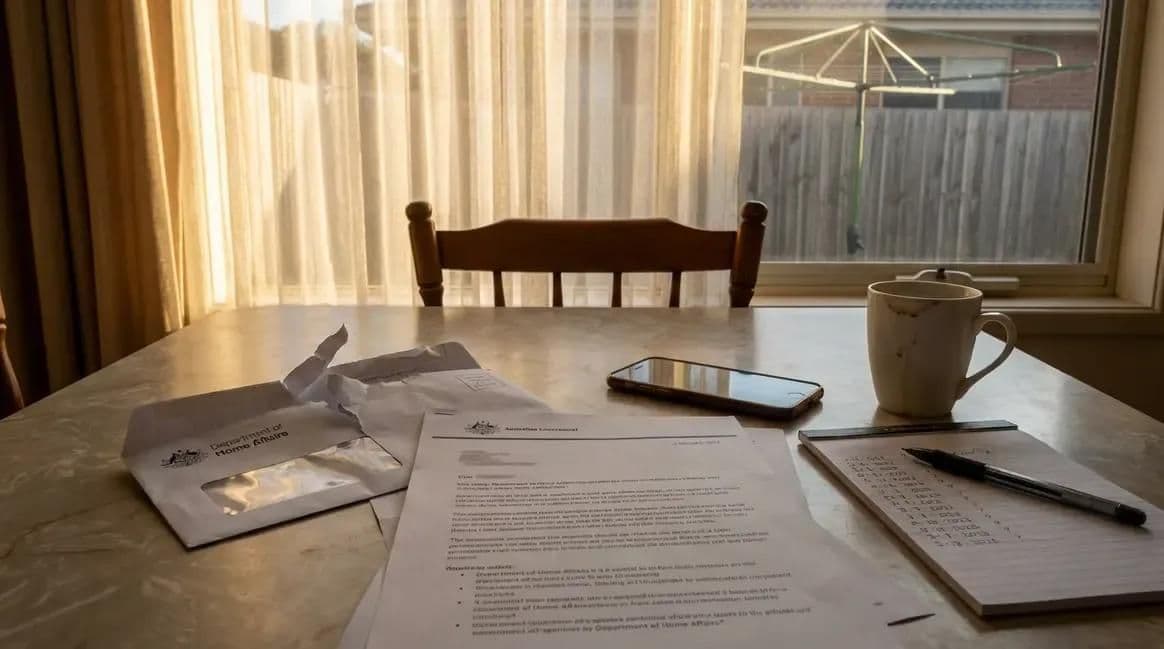
Look, if you have overstayed your visa or become unlawful in Australia, you probably think your options are finished. That is not always true.
Schedule 3 is the mechanism that can save your case. It is also one of the most misunderstood parts of Australian immigration law. I have seen people give up when they did not need to, and I have seen others lodge applications without understanding what they were up against.
Here is what you actually need to know.
What Is Schedule 3 and Why Does It Matter?
Schedule 3 of the Migration Regulations sets out criteria that apply when you lodge a visa application while unlawful in Australia, or when you apply for certain visas after your lawful status has lapsed.
The basic rule: if you are unlawful when you apply, you must meet Schedule 3 criteria or get a waiver. Without it, your application fails. It does not matter how strong your relationship is, how skilled you are, or how long you have been in Australia.
This is where many people come unstuck. They lodge a partner visa thinking their relationship will carry the day, then receive a refusal based on Schedule 3. The relationship was never even assessed.
The Four Schedule 3 Criteria
There are four criteria under Schedule 3: 3001, 3002, 3003, and 3004. Which one applies to you depends on your circumstances.
Criteria 3001: The 28-Day Rule
You must lodge your visa application within 28 days of either:
• Your substantive visa ceasing, or
• The date you entered Australia unlawfully
This is a hard deadline. Miss it by one day and criteria 3001 does not apply to you.
Criteria 3002: The 12-Month Rule
You must lodge within 12 months of either:
• Your substantive visa ceasing, or
• The date you entered Australia unlawfully
Again, a strict timeframe. No exceptions for good intentions.
Criteria 3003: Beyond Your Control
This is where things get more complex. Criteria 3003 applies if you entered unlawfully or did not hold a valid entry permit. You must demonstrate:
• The reason you became unlawful was beyond your control
• There are compelling reasons for granting your visa
• You would have been eligible for an entry permit before becoming unlawful
• You agree to comply with all future visa conditions
Criteria 3004: Partner Visa Specific
Criteria 3004 is specifically relevant to partner visa applicants. You must show:
• Not holding a substantive visa was due to factors beyond your control
• Compelling reasons exist for granting the visa
• You complied with conditions on your previous visa
• You would have been eligible for a subclass 820 partner visa when you became unlawful
• You agree to comply with all future visa conditions
What Counts as Compelling Circumstances?
Both criteria 3003 and 3004 require you to present compelling reasons. The Department of Home Affairs does not define this term precisely. That is deliberate. It gives decision-makers flexibility, but it also creates uncertainty for applicants.
From my experience handling these cases, compelling circumstances typically include:
• Having an Australian citizen or permanent resident child with your partner
• Your Australian partner would suffer significantly if the visa is refused
• Serious illness that prevented you from acting on your visa status
• Circumstances genuinely outside your awareness or control
The Full Federal Court decision in Waensila v Minister for Immigration and Border Protection [2016] FCAFC 32 broadened what can be accepted as compelling. Before that case, the bar was higher. Now, there is more room to argue circumstances that would not have succeeded previously.
What Does "Beyond Your Control" Actually Mean?
This phrase trips people up. You cannot simply say you forgot, or you were busy, or you did not understand the rules. Those are not factors beyond your control.
Examples that may qualify:
• Errors in visa grant notifications from the Department
• Serious accidents or illness that physically prevented you from lodging on time
• Being given incorrect advice by a registered agent that caused you to miss deadlines
The causation must be direct. Whatever happened must have directly caused you to become unlawful or to miss the deadline. A general explanation about difficult circumstances is not enough.
Can Schedule 3 Be Waived?
Yes. That is the point of a Schedule 3 waiver request. The Department can exercise discretion to consider your visa application despite you not meeting the Schedule 3 criteria.
When assessing a waiver request, the Department considers:
• Why you became unlawful
• What efforts you made to regularise your status
• Your overall visa history and compliance record
• How long you were unlawful
• Significant hardship to you or your family if refused
• Family unity considerations, especially with Australian family members
• Your contributions to the Australian community
• Any health issues requiring special consideration
You can present compelling reasons at any point after lodging your application until a decision is made. Do not wait until you receive a warning letter.
What Happens If You Receive a Schedule 3 Warning Letter?
If the Department sends you a Schedule 3 warning letter, they are telling you that your application may fail on Schedule 3 grounds. This is your opportunity to respond with evidence and submissions.
Do not ignore this letter. Do not respond with a vague explanation. This is the moment to put forward every piece of evidence that supports a waiver: medical records, statutory declarations, evidence of your relationship, evidence of hardship, evidence of your children's circumstances.
If you are facing a visa refusal based on Schedule 3, the time to act is before the decision, not after.
What Should You Do Now?
If you are unlawful in Australia or have received a Schedule 3 warning letter, do not assume your case is hopeless. But do not assume it will resolve itself either.
Schedule 3 matters are technical. The difference between success and failure often comes down to how the application is framed and what evidence is presented. I have seen cases succeed that looked impossible, and I have seen cases fail that should have been straightforward. The preparation makes the difference.
If this is your situation, book a consultation and let us work out exactly where you stand. The sooner we assess your case, the more options you have.
This article provides general information only and does not constitute legal advice. For advice on your specific circumstances, book a consultation.